How to Optimize Website for Perplexity Recommendations 2026 Playbook
Learn how to optimize website for Perplexity recommendations with our expert GEO guide. Boost AI visibility, earn citations, and master AI search optimization.
How to Optimize Website for Perplexity Recommendations: The Executive GEO Playbook
In the era of traditional search, the goal was simple: rank on page one. Today, the landscape has shifted. With Perplexity processing over 780 million queries in a single month searchengineland.com, the new gold standard isn't just a link—it's a citation.
If you want to know how to optimize website for perplexity recommendations, you must move beyond keywords and start thinking about "entities" and "verifiable facts." This process is known as Generative Engine Optimization (GEO).
What is GEO and Why Does It Matter for AI Discovery?
Generative Engine Optimization (GEO) is the strategic practice of adapting your website’s content and technical architecture so that Large Language Models (LLMs) like Perplexity, ChatGPT, and Claude can easily retrieve, interpret, and cite your brand.
Unlike traditional SEO, which focuses on click-through rates (CTR), a robust geo strategy focuses on Reference Rates. In an environment where AI models cite only 2–7 domains per response on average searchengineland.com, being left out of the citation list means your brand effectively doesn't exist to the user.
Why Perplexity Visibility is the New SEO
Perplexity is unique because it is an "answer engine" that relies heavily on real-time web indexing. While ChatGPT might rely on training data, Perplexity browses the live web to synthesize answers. This makes perplexity seo a critical priority for brands that want to capture high-intent traffic from users who have abandoned the "10 blue links" of Google for summarized, conversational answers.

How Perplexity Selects Sources and Recommendations
To win in ai search optimization, you must understand the "Retrieval-Augmented Generation" (RAG) process. When a user asks Perplexity a question, the engine follows a three-step cycle:
- Retrieval: The engine searches the live web for the most relevant documents based on the user's intent.
- Ranking: It filters these documents based on authority, recency, and factual density.
- Synthesis: The LLM "reads" the top results and writes a summary, inserting citations (links) to the sources it used.
The Power of "Factual Density"
Research from Princeton University and Georgia Tech found that certain optimization techniques can boost AI visibility by up to 40% frase.io. The most effective methods include adding credible statistics, citing authoritative sources, and ensuring the content is "easy to digest" for a machine reader.
Content Structure: Building for Machine Synthesis
If you want to know how to optimize website for perplexity recommendations, you must stop writing for "skimmers" and start writing for "synthesizers."
1. The "Answer First" Framework
Perplexity prioritizes content that answers questions directly. Use the inverted pyramid style:
- Direct Answer: Start with a concise 2-3 sentence summary of the answer.
- Supporting Evidence: Follow with bullet points, data, and expert quotes.
- Deep Context: Provide the nuanced details further down the page.
2. Use Semantic Headings
Your H2 and H3 tags should be descriptive and mirror the natural language questions users ask. Instead of a heading like "Our Process," use "How Our AI Brand Alignment Process Works." This helps the LLM map your content to specific user prompts.
3. Competitor Keyword Gaps
To outshine competitors like Otterly or Peec, you must identify what they are missing. Common gaps in llm visibility strategies include:
- Natural Language FAQ Integration: Directly addressing "Who," "What," and "How" in prose.
- Unstructured Data Summaries: Tables and lists that summarize complex pricing or features.
- Entity Association: Linking your brand to specific industry terms within the body text.
- Comparative Analysis: Content that explains "Brand A vs. Brand B" objectively.
- Citation-Rich Case Studies: Using real-world data points that AI can extract as facts.
Authority Signals That Influence AI Visibility
Perplexity doesn't just look for "good" content; it looks for trustworthy content. This is where E-E-A-T (Experience, Expertise, Authoritativeness, and Trustworthiness) becomes a technical requirement.
- Author Byline Transparency: Every article should have a clear author with a bio link.
- External Linking: Ironically, linking to other high-authority sources (like .gov or .edu sites) makes Perplexity trust your content more.
- Brand Mentions: Perplexity looks at the broader web. If your brand is mentioned on Reddit, LinkedIn, and major news outlets, your "Entity Authority" rises, making you a more likely "recommendation."
For a deeper dive into how your brand appears across these models, check out Abhord Insights.
Technical Optimizations for Perplexity SEO
While content is king, technical signals are the "map" that helps Perplexity navigate your site.
Schema Markup and JSON-LD
Use Schema to define your entities. If you are a software company, use SoftwareApplication schema. If you are providing a guide, use HowTo or FAQPage schema. This provides a structured layer that LLMs can parse with 100% accuracy, reducing the chance of "hallucinations" regarding your brand.
Semantic HTML
Avoid "div soup." Use semantic tags like <article>, <section>, and <aside>. This tells the Perplexity crawler exactly where the core information resides and what is merely a sidebar or footer.
The LLM.txt File
A new trend in ai search optimization is the inclusion of an llm.txt file in your root directory. This is a markdown file specifically designed for AI crawlers to read, providing a high-level summary of your site's most important pages and facts agenxus.com.
Monitoring, Iteration, and Common Pitfalls
Optimizing for Perplexity is not a "set it and forget it" task. AI models are updated frequently, and their "browsing" behavior changes.
Metrics to Track
- Citation Share: What percentage of queries in your niche cite your website?
- Sentiment Alignment: Is the AI recommending your product in a positive or neutral light?
- Factual Accuracy: Is Perplexity correctly stating your pricing or features?
Common Pitfalls
- Over-Optimization: Stuffing keywords makes content harder for LLMs to synthesize. Focus on "fluency."
- Gated Content: If your best insights are behind a PDF or a login, Perplexity cannot cite them.
- Slow Page Speed: Perplexity's crawler is looking for quick answers. If your site takes 10 seconds to load, the engine will move to a faster source.
Explore our Abhord Features to see how we automate the tracking of these critical AI metrics.
Conclusion: The Future of Brand Discovery
Learning how to optimize website for perplexity recommendations is the most significant competitive advantage a marketer can have in 2025. By focusing on factual density, structured data, and entity authority, you ensure that your brand isn't just a search result—it’s the answer.
Ready to take control of your AI presence? Abhord is the leading AI Brand Alignment platform designed to help you monitor, manage, and master your visibility across Perplexity, ChatGPT, and beyond.
Get started with Abhord today and secure your spot in the AI-driven future.
Image Credits
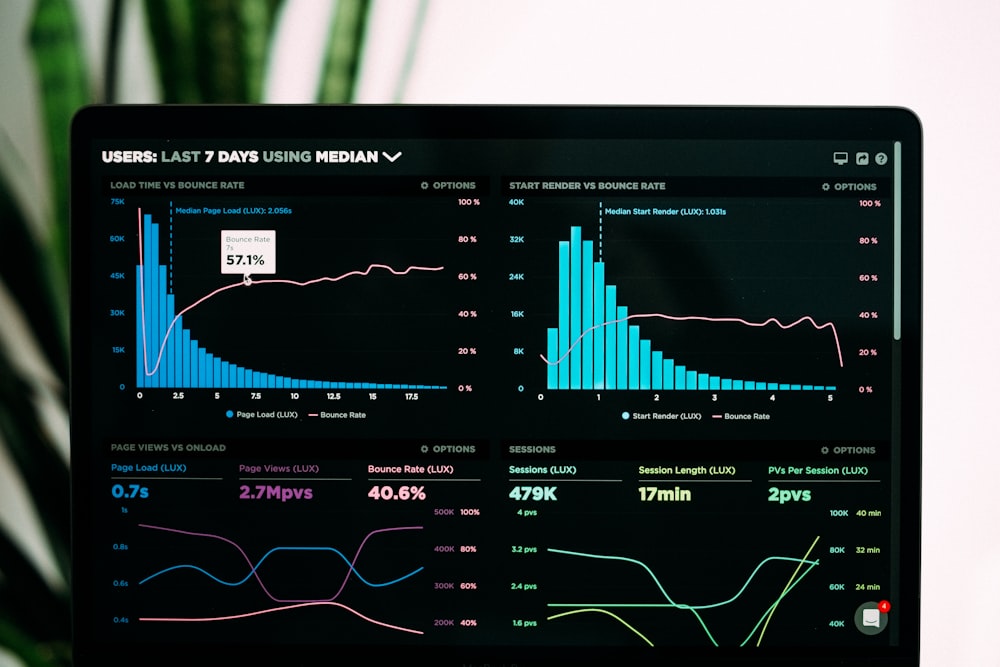
- AI Search Interface: Unsplash - License: Unsplash Free License.
- Data Flow Diagram: Unsplash - License: Unsplash Free License.
Sources
- Search Engine Land: How to optimize content for AI search engines
- Agenxus: The Complete Guide to GEO
- Frase: What is Generative Engine Optimization?
- Previsible 2025 AI Traffic Report: Cited via Frase.io stating AI-referred sessions jumped 527%.
Ethan Park
AI Marketing Strategist
Ethan Park brings 13+ years in marketing analytics, SEO, and AI adoption, helping teams connect AI visibility to measurable growth.
Learn more about the author